

Blog
How to Choose a Bandsaw and Blade for the Work You Actually Cut

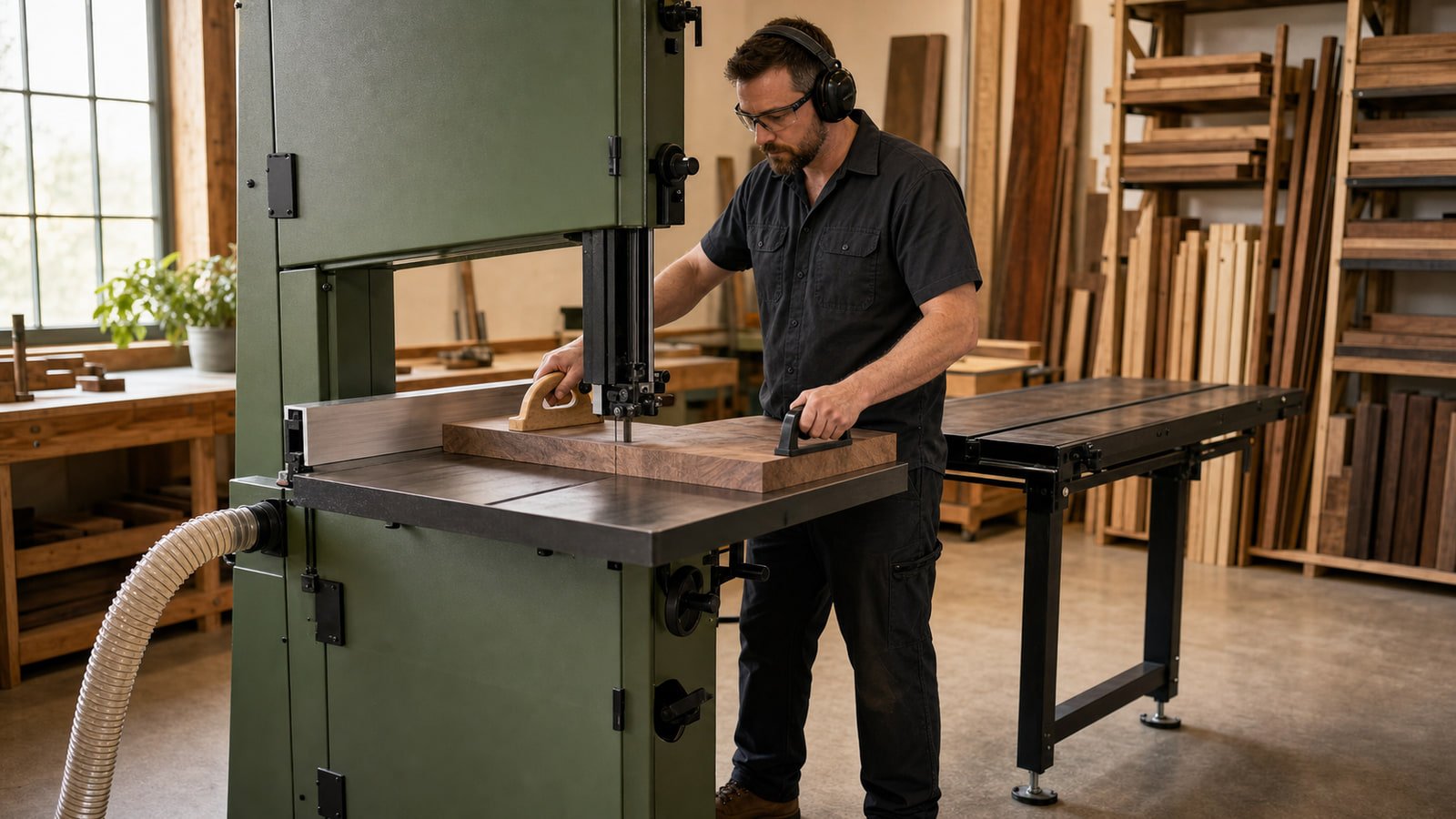
Saws & Cutting
How to Choose a Bandsaw and Blade for the Work You Actually Cut
Match the bandsaw format, cutting envelope, blade, feed method, support, power, and dust collection to the material and cuts your shop performs.
A bandsaw’s wheel diameter, throat, and cutting height describe only part of its capability. The material, cut shape, blade, feed method, guides, table or conveyor support, and operator workflow determine whether a machine fits the job.
Start by separating the cuts your shop performs. Resawing wide stock, cutting curves, breaking down rough material, and making repeated straight cuts can lead to different machine formats and blade requirements.
Define the cut families
Create a short list of representative work:
- Straight ripping or rough breakdown
- Resawing boards, blocks, or slabs
- Curved or shaped cuts
- Cutting thick components
- Dimensioning veneers or thin lamellae
- Repetitive production cuts with a fence or feed system
- Specialized materials approved by the machine manufacturer
For every cut, record material species or type, thickness, width, length, moisture condition, desired radius, finish expectation, and production frequency. Identify which dimensions are routine and which represent a rare maximum.
The smallest radius affects blade-width selection for curved work, while stock width and cutting height influence resaw requirements. A shop that performs both may need a deliberate changeover plan or more than one machine.
Select the machine format around the material path
General-purpose vertical bandsaws
Vertical bandsaws can support curved cuts, straight cuts, joinery, and varied shop work. Compare table size and height, tilt, throat, cutting height, fence and guide arrangement, blade range, braking and guarding, dust ports, and support for long or heavy stock.
Resaws and production bandsaws
Machines designed around resawing or repetitive straight cuts may add powered feed, conveyors, fences, return systems, or features intended for a more controlled material path. Compare the minimum and maximum stock, feed range, blade system, support, adjustment, and how the cut integrates with upstream and downstream handling.
Specialized horizontal or multi-head systems
Some production processes call for horizontal or multi-head machines. Evaluate these as complete cells, including loading, reference surfaces, material recovery, blade management, dust or waste removal, guarding, and operator access.
The name of the format matters less than whether the stock is supported and controlled throughout the intended cut.
Confirm the real cutting envelope
Review throat capacity, maximum cutting height, table or conveyor dimensions, fence travel, and every minimum workpiece dimension. Confirm whether the published capacity applies with standard guides, guards, fences, and feed equipment in place.
Add clearance for the complete workpiece. A long board may swing across an aisle before the cut or extend into another workstation afterward. Draw those positions on the floor plan and include the operator’s stance, support equipment, offcut path, and access to emergency controls.
For heavy work, determine how stock reaches and leaves the machine. Tables, rollers, carts, lifts, or powered handling may be part of the required process even when they are not included with the saw.
Treat the blade as part of the machine setup
Bandsaw blades differ by width, thickness, tooth form, tooth spacing, material, construction, and intended use. Selection depends on the stock and cut; one blade does not optimize every operation.
When comparing a proposed blade, consider:
- Straight or curved cutting
- Smallest required radius
- Stock thickness and consistency
- Wood species, moisture, and abrasiveness
- Desired surface and downstream machining
- Feed method and production pace
- Machine wheel diameter and approved blade range
- Resharpening or replacement plan
Use the machine and blade manufacturers’ current guidance for compatible dimensions, tension, speed, tooth selection, and operating limits. Do not install a blade because it physically fits without confirming that it is approved for the machine and application.
Review blade guidance and tracking
Blade guides, wheel condition, tracking, tensioning, cleaning, and alignment affect blade stability and service life. Ask how the operator:
- Selects and installs the blade
- Positions the upper guide for the workpiece
- Adjusts side and thrust guidance
- Sets and verifies tracking and tension
- Inspects tires or wheel surfaces
- Removes pitch or contamination using approved methods
- Detects cracks, damaged teeth, or other reasons to remove a blade
The manufacturer manual should control each procedure. Training must also cover shutdown, isolation, guarding, and safe blade handling.
Compare feed and stock control
Hand feeding, a power feeder, and an integrated conveyor create different operating conditions. If straight production cuts are expected, review fence rigidity, drift or alignment procedures, feed range, pressure control, and how the workpiece remains stable against its reference.
For curved cuts, evaluate table support, visibility, blade access, guarding, part size, and the operator’s ability to keep hands and body position consistent with approved procedures. Small or irregular components may require a fixture or another process.
A fast blade does not create a fast process if stock is difficult to load, the fence requires repeated adjustment, or downstream parts need extensive cleanup.
Plan dust collection and cleanup
Bandsaws produce sawdust at the table and around the lower wheel or enclosure. Confirm the location and size of every collection port and the manufacturer’s extraction requirements. Review how dust is captured above and below the work, where material can accumulate, and how the machine is safely cleaned.
Have a qualified dust-control professional evaluate the proposed connection as part of the full system. Flexible hose, long branches, open gates, and other machines operating at the same time can affect extraction.
Verify power, braking, and protective systems
Confirm electrical supply, phase, frequency, current, disconnect, stopping or braking system, guards, blade enclosures, interlocks, emergency controls, and any site-specific requirements for the exact model. Photographs may show optional equipment or guards in a non-operating position, so use current technical documentation rather than the image alone.
Installation, training, and operation must follow manufacturer instructions and applicable workplace requirements.
Build a blade and maintenance routine
An organized blade program can include labeled storage, service history, sharpening records where applicable, and a defined inspection before installation. Keep incompatible or retired blades physically separated from ready-to-use inventory.
Follow the manufacturer schedule for guides, wheels, tires, bearings, brushes, drive components, table alignment, dust passages, guards, and brakes. Record unusual vibration, noise, heating, tracking changes, or cut quality instead of compensating indefinitely with operator technique.
Information to include in a bandsaw request
Prepare:
- Photos or drawings of representative cuts
- Material species, dimensions, and condition
- Straight, curved, resaw, or production-cut priorities
- Smallest radius, when relevant
- Routine and maximum cutting height and width
- Expected batch sizes
- Preferred feed method
- Available power and dust collection
- Floor-space and handling limitations
- Current blade types and service pathway, if any
Choose the bandsaw and blade as one cutting system, then confirm that the shop can support the material before, during, and after the cut.
Discuss Your Bandsaw Application
Share the machine, material, application, utilities, and site details that matter to your project.
Discuss Your Bandsaw ApplicationRelated Reading
More Machinery Guidance
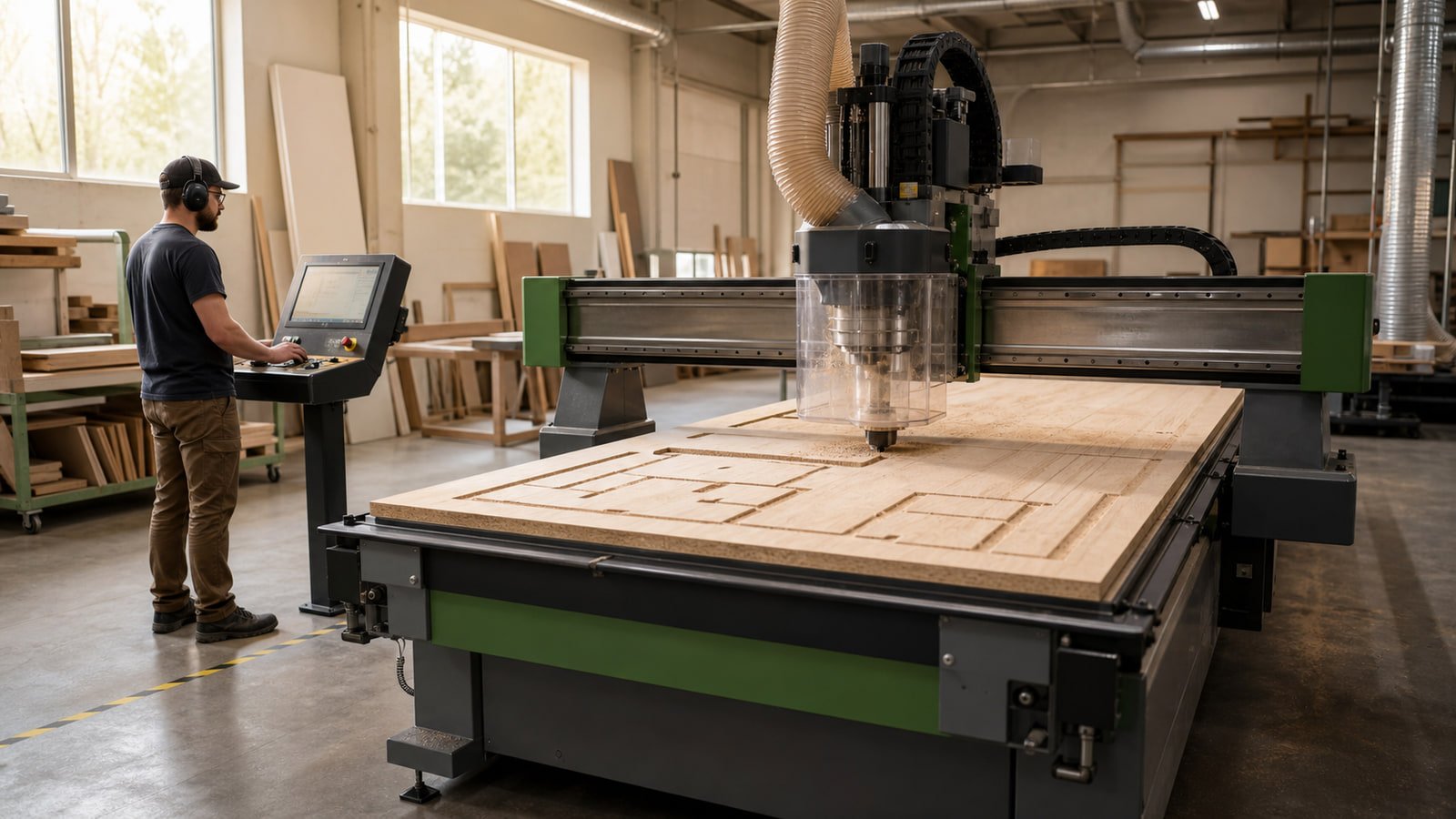
How to Choose a CNC Router for Your Shop Workflow
Compare a CNC router by the parts, materials, workholding, tooling, software, utilities, floor space, and support your production process actually requires.
Read guide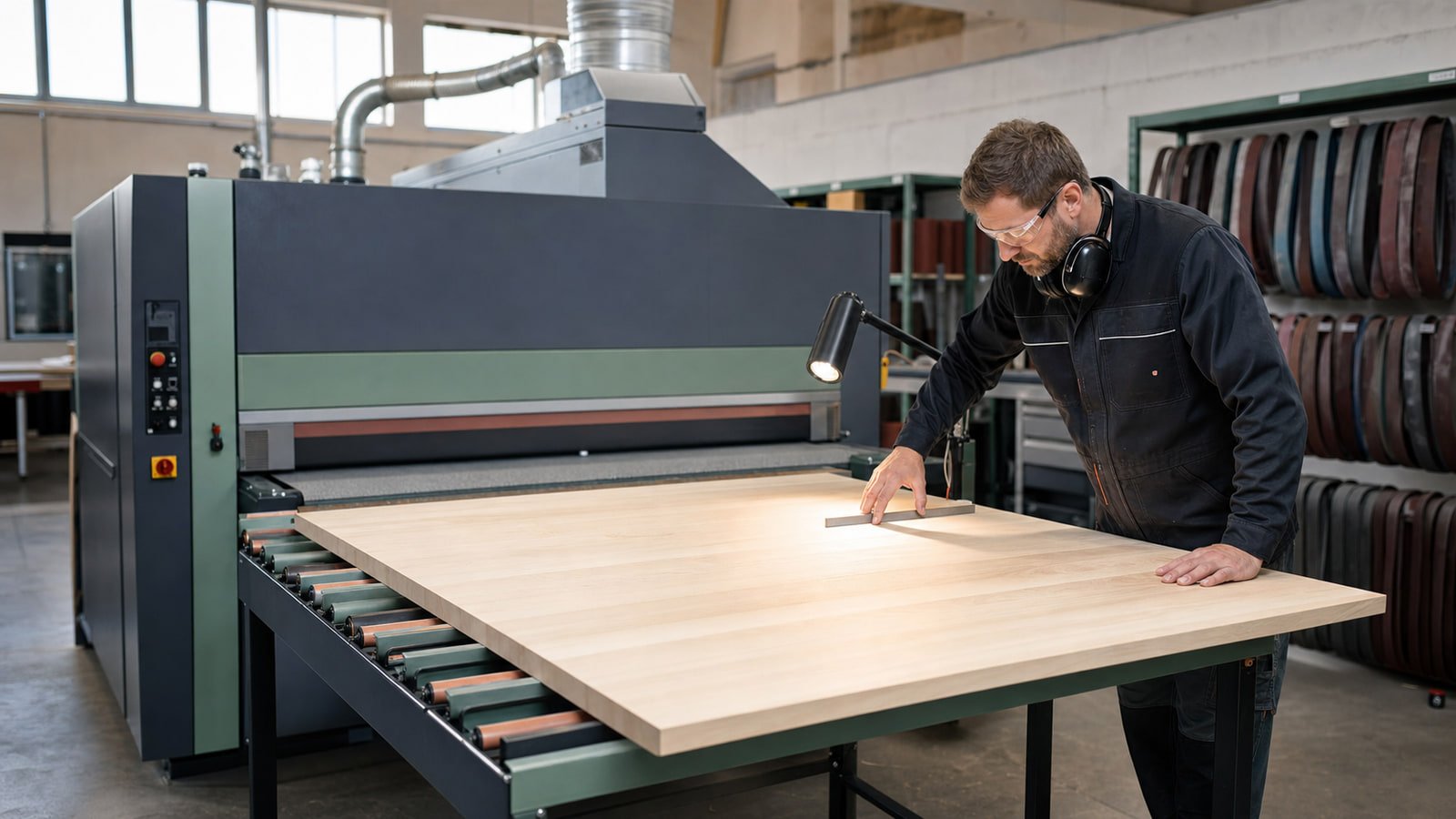
Wide-Belt, Drum, Edge, or Spindle Sander? Choosing the Right Sanding Machine
Start with the surface, shape, stock-removal goal, and production flow to determine which sanding-machine format belongs in your shop.
Read guide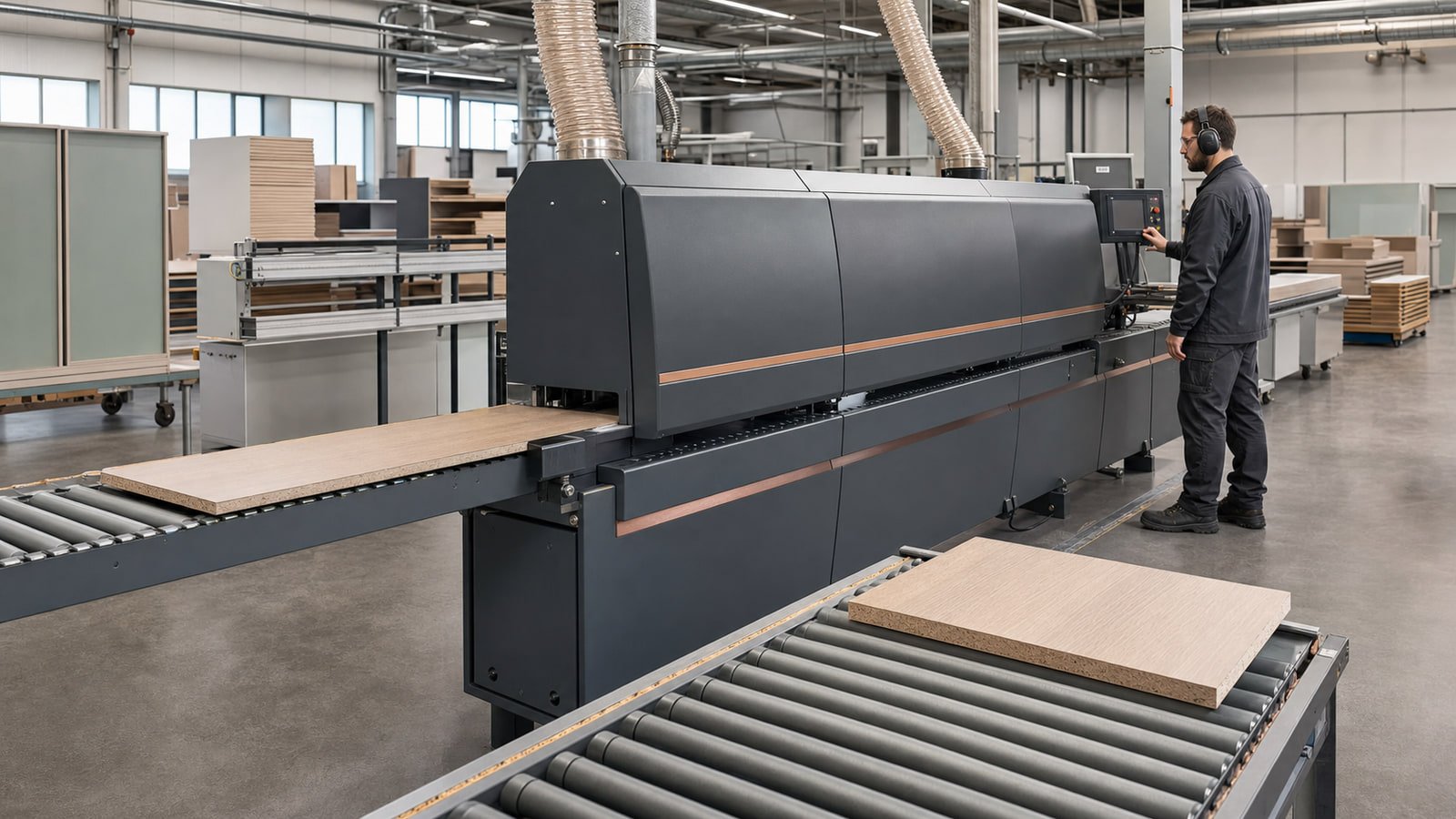
What to Compare Before Buying an Edgebander
Define your panels, edge materials, finish standard, production pace, utilities, and maintenance plan before comparing edgebander configurations.
Read guide